There are places where you come to look for stone. Others, light. In Salernes, people come for clay. More precisely, for the red, ferruginous earth that has lain dormant for millennia beneath the hills of the Haut-Var and which, in the hands of craftsmen, becomes soil, wall and memory.
Salernes is not an open-air museum. It’s a living workshop. A village where the earth still dictates the rhythm of the day.
Geology as destiny
It all began with a geological treasure: clay of exceptional quality. Although pottery has been made here since the dawn of time, it was in the early 1830s that Salernes’ fortunes changed. Manufacturers specialized in a single product that had become a cult: hexagonal malon, the famous tomette.
By 1850, it was a golden age. The little red hexagon became the emblem of a Mediterranean art of living. It adorned country houses, farmhouses and private mansions, exporting from Toulon to America. It is designed to fit together seamlessly, creating the smooth, cool, quiet floors we love so much.
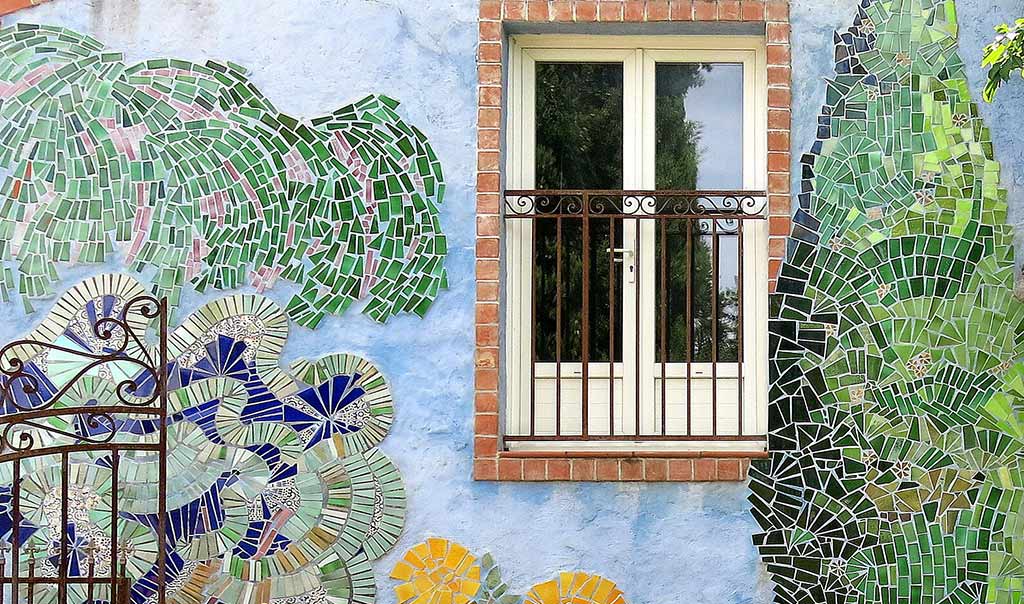
After a decline in the mid-twentieth century in the face of the arrival of cement and linoleum, Salernes was reborn. Buoyed by visionary projects such as that of architect François Spoerry in Port Grimaud in the 1970s, know-how evolved. Enamel and decoration entered the dance, transforming the utilitarian tile into an aesthetic object. Today, the Salernes name once again resonates as a promise of excellence.
Gesture, clay and fire
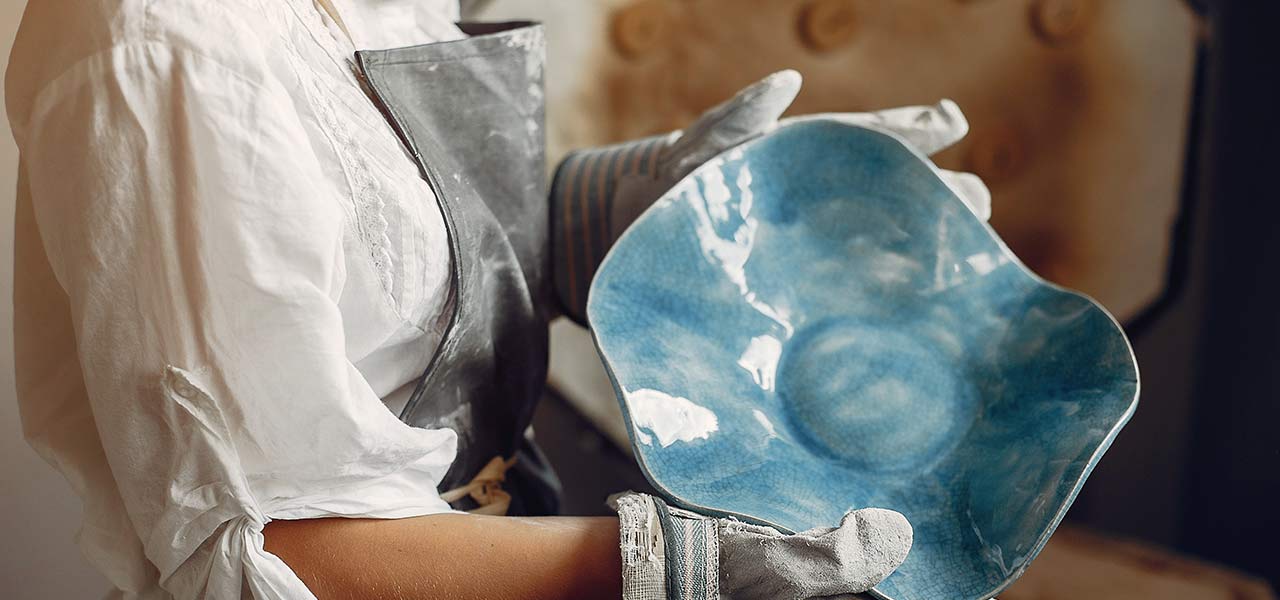
To enter a Salernes workshop is to witness a slow, precise choreography. The clay, extracted from nearby quarries, is cleaned, ground and mixed with water. Each craftsman jealously guards his recipe, adjusting the hydration to obtain the perfect grain.
Next comes molding, often done by hand, followed by drying for several weeks. This is a critical phase: too fast, and the part cracks; too slow, and it warps. Finally, the fire is put to the test. In kilns heated to nearly 1000°C, firing lasts several days. This is where the clay acquires its characteristic orange-red color, the warm hue that catches the light and gives Provencal interiors their distinctive glow.
This know-how is a living heritage. It’s not just a matter of repeating gestures, but of reading the material.
A workshop village and its setting
Take a stroll through Salernes and you’ll come across a ceramist’s or tile-layer’s workshop. Most open their doors generously, allowing you to observe the work in progress and, in some cases, to leave with a still-warm piece.
A visit to the Terra Rossa Museum is a must if you want to grasp the full extent of this history. Housed in a former tile factory rehabilitated by architect Jean-Michel Wilmotte, the museum is an architectural success, showcasing the “strange machines” of the past and a collection of over 2,000 decorated tiles, from the Middle Ages to the present day.
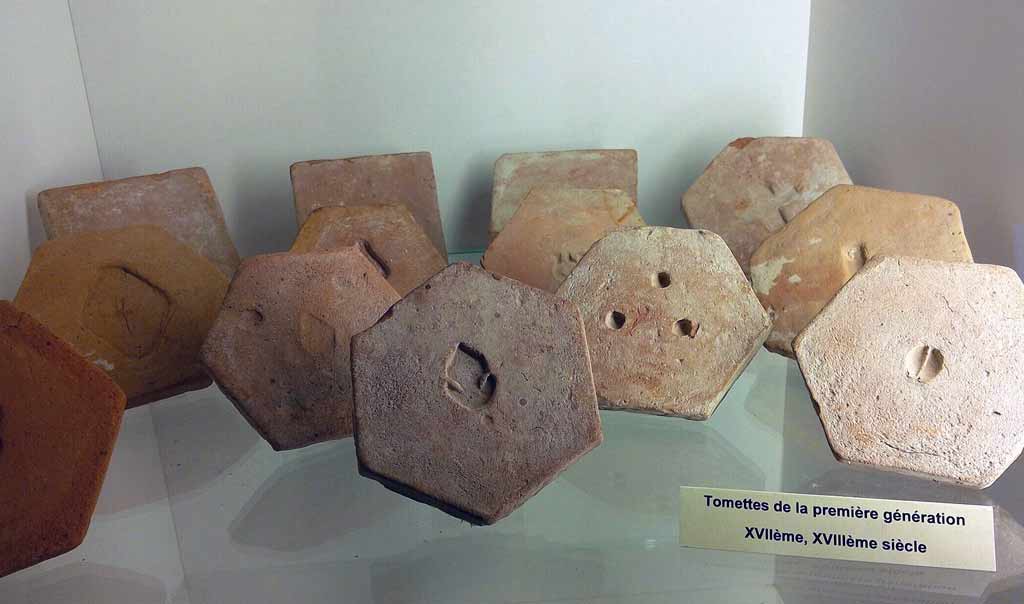
What tomettes teach us
At Beaumas, we look for the discreet imprint of terracotta in the homes we visit. Not as a cliché, but as a lesson in architecture and humility.
Tomette reminds us that true luxury lies not in ostentation, but in precision. That a floor can be both noble and humble. Whether hexagonal or square, it teaches us about thethermal inertia that transforms a room into a cool refuge in midsummer, and above all, it tells us about durability. Appreciated for its sturdiness, a well-laid tomette will stand the test of time. It develops a patina, takes on stories and becomes memory. In Salernes, red earth tells us that the hand of the craftsman is irreplaceable, and that the most beautiful heritage is sometimes the one we leave under our feet.
Terra Rossa Museum
Quartier les Launes, 83690 Salernes
Tip: The artisan workshops are open all year round, but it’s advisable to check the Terra Rossa museum’s opening hours directly on its website before visiting.
To discover the workshops in Salernes, we invite you to stroll through the village and push open the doors of the ceramists.